We believe everyone deserves clean water…
…and we think our wildlife would agree.
We’re incredibly lucky to share the Isles of Scilly with an abundance of spectacular wildlife. Some of our species and habitats are highly protected due to their national and international importance, but we think they’re all pretty special.
With your help, we can call for enforcement of the protections they’ve already been granted.
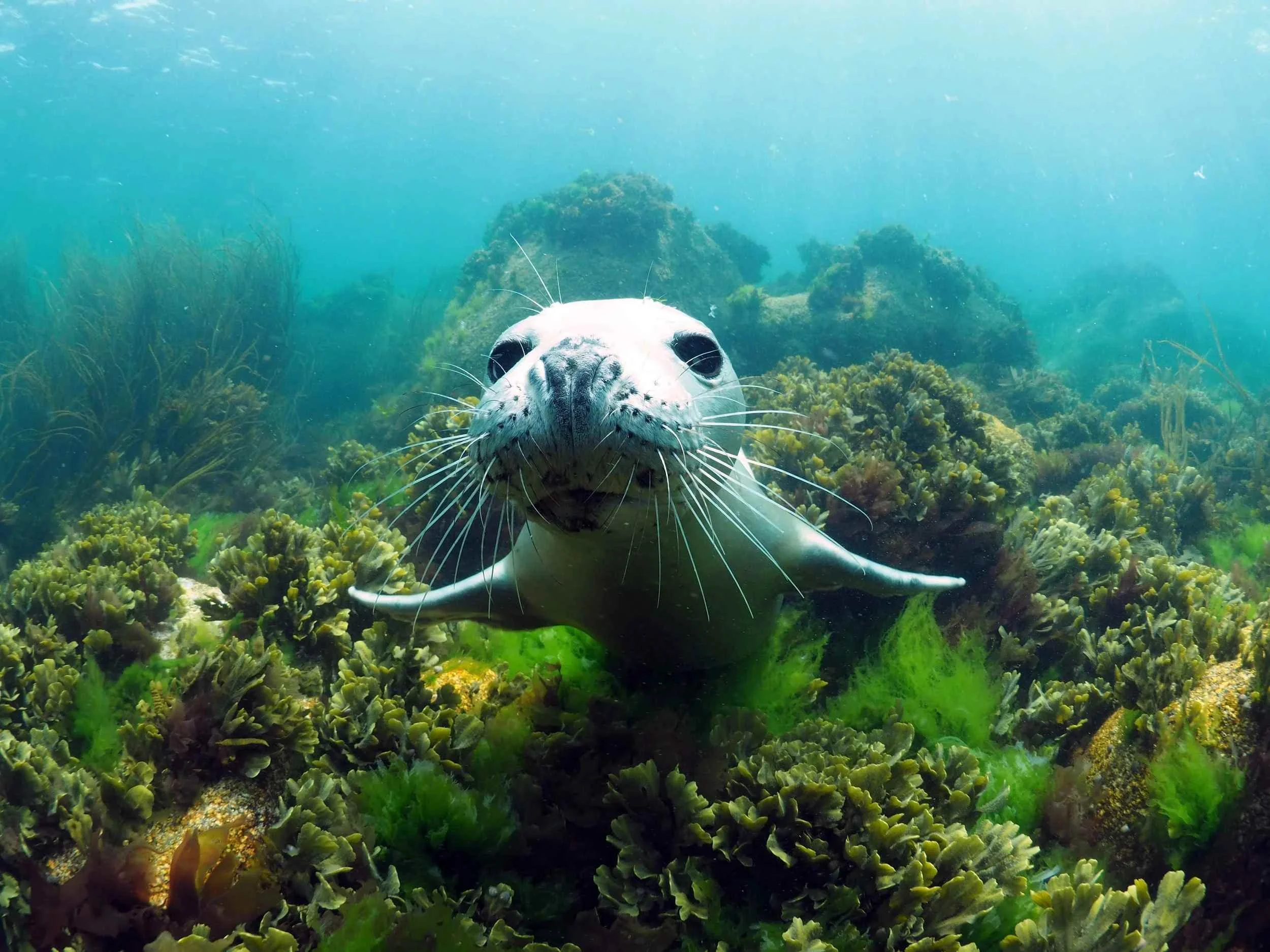
Meet The atlantic grey seal…
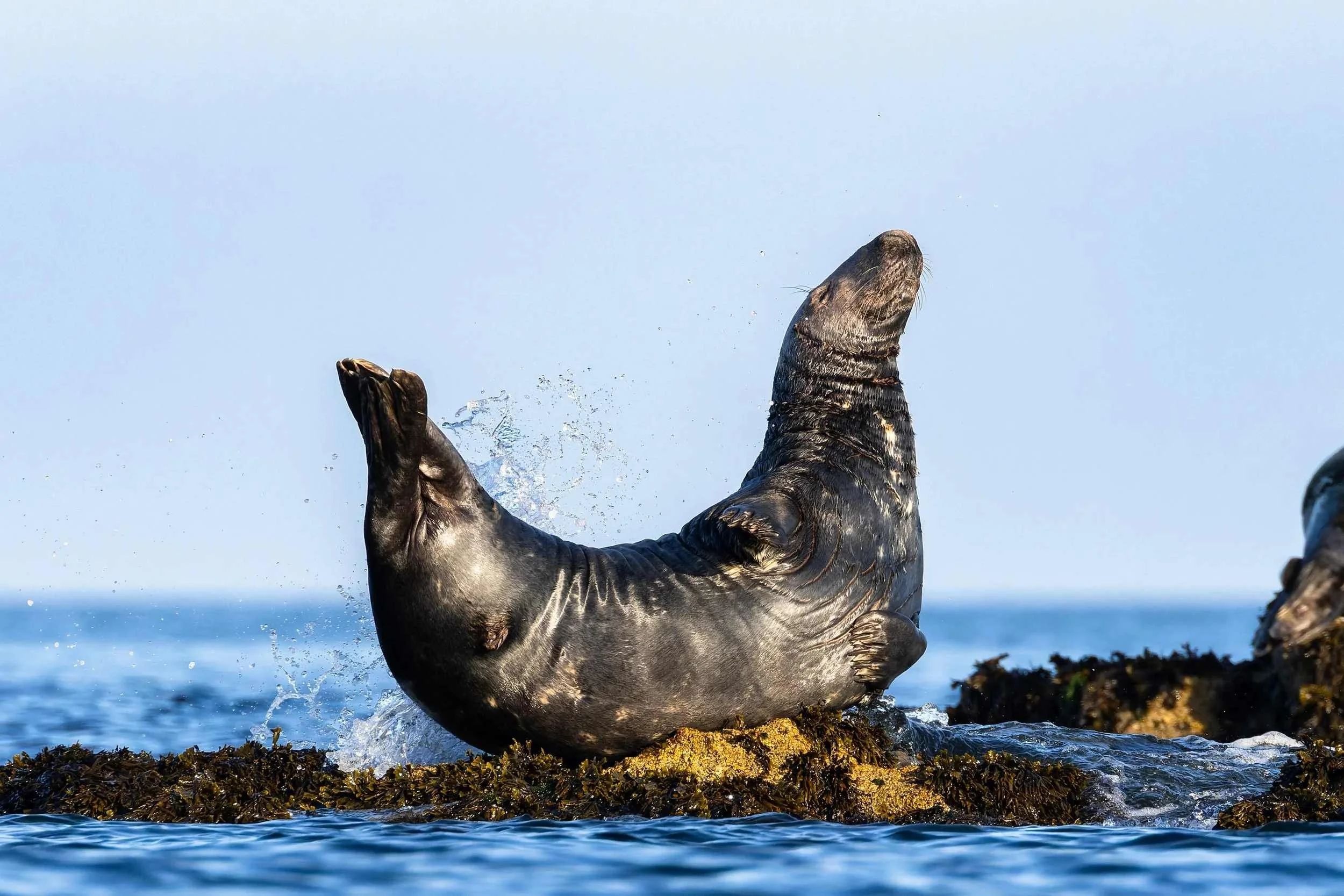
This banana-ing seal is one of the many we have around the islands. We often see them in the water while their pups rest on our shores, or swim in the shallows. We want them to be able to do this in clean, healthy water for many years to come. Atlantic Grey Seals are protected in the Isles of Scilly by a ‘Special Area of Conservation’ designation, which covers the area within and around the islands. Under the same designation other species and habitats, including our reefs, are also protected.
The Isles of Scilly Complex SAC is one of three types of Marine Protected Area on the islands, with the others being a Special Protection Area, and a whopping eleven Marine Conservation Zones! The islands are a National Landscape (formerly known as Areas of Outstanding Natural Beauty) with twenty-six Sites of Special Scientific Interest and a RAMSAR site. If that wasn’t enough, Scilly is also an ISRA - an Important Shark and Ray Area. The simplest way to describe the meaning of all these protections is to say that Scilly is remarkably special. Everybody knows it, and that is why we need to protect and preserve the islands, their wildlife, and the marine environment.
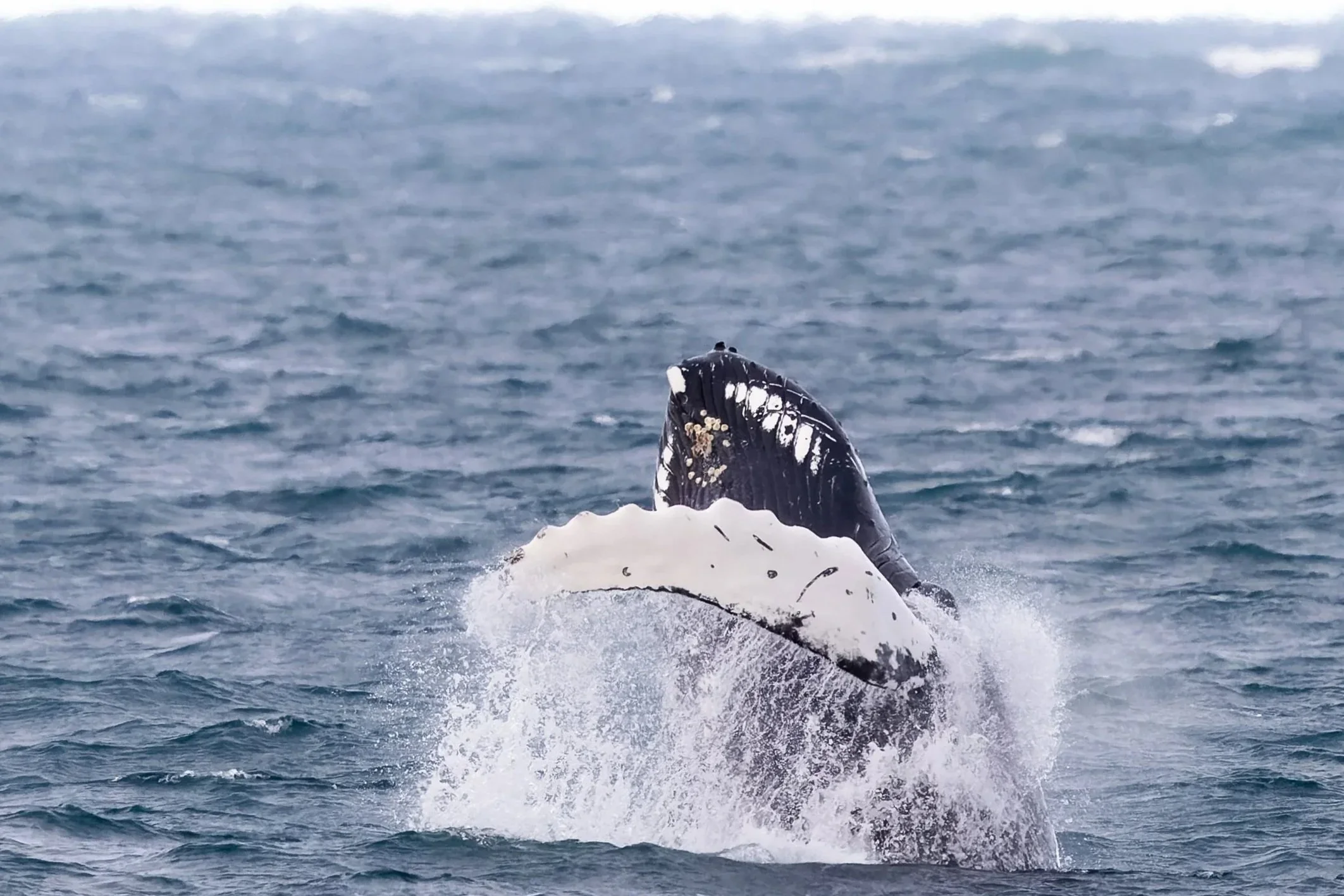
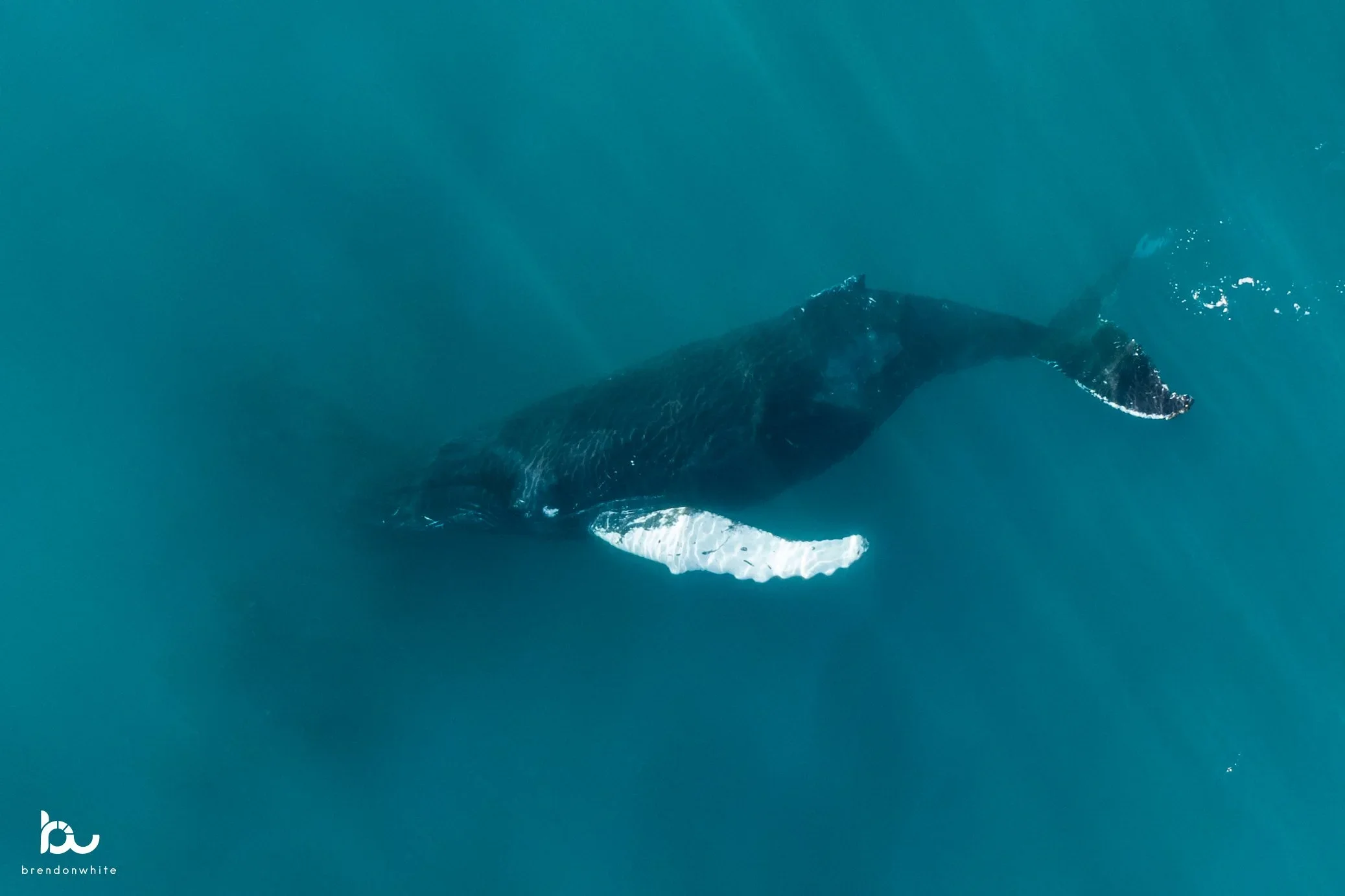
Scilly’s marine habitats and wildlife are observed close to and far off shore, and it’s essential that we protect them wherever they are. Sewage pollution will harm our species whether it is discharged 200 or 2000 (or more) metres offshore. One regular visitor has reached celebrity status; Pi, a breeding age female Humpback, has been visiting annually since 2020 and was the first Humpback in the UK to be sexed with drone, and measured with photogrammetry beside a ‘yearling’ (a one year-old Humpback) named Holan. Their relationship is unknown, however gathering this information is huge news for Humpback Whale conservation, and especially important for learning more about the critically endangered Cape Verde population, which Pi is believed to belong to.
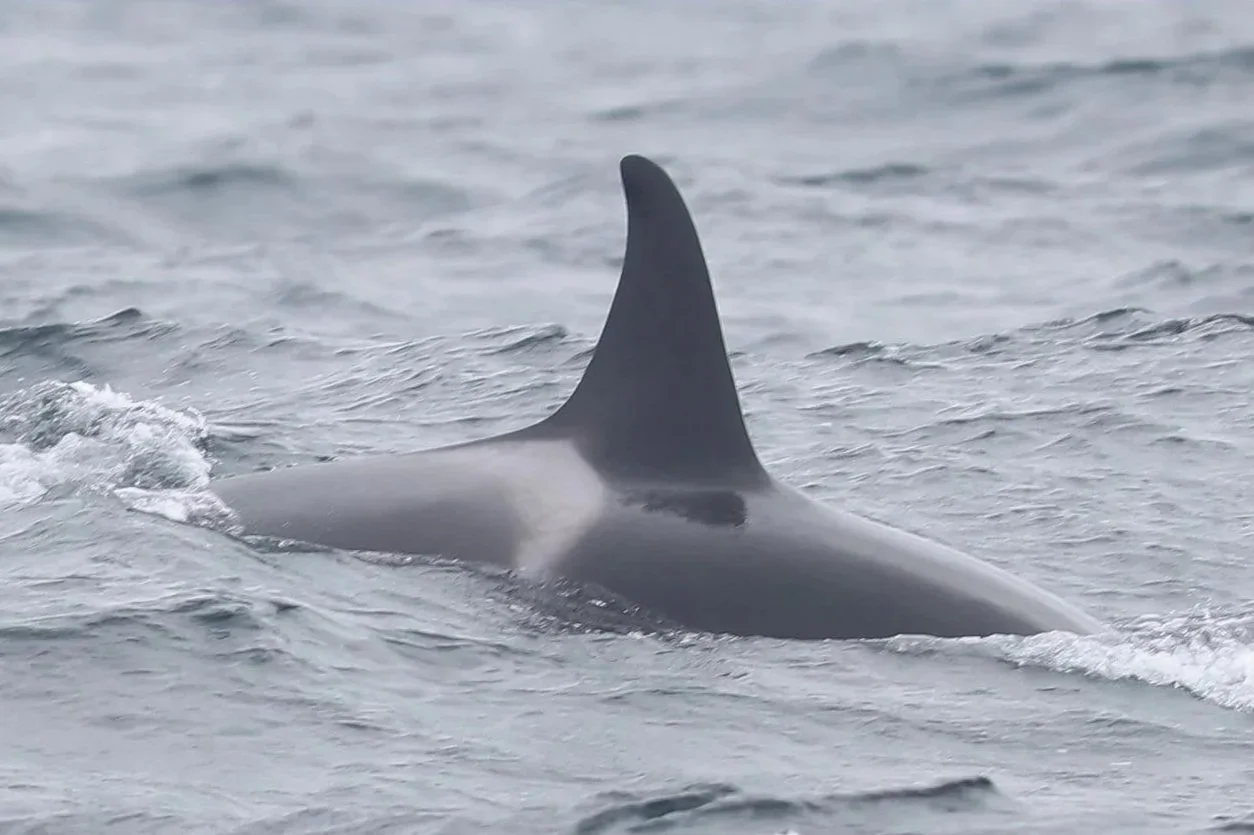
Two more celebrity cetaceans showed up in 2025, known as the Vega Pod, identified by DolphinZone. The news spread around the world at a rapid pace! This pair of Orca are believed to be the only remaining members of their pod, and as two females, we fear their fate. Their story is similar to Scotland’s West Coast population. John Coe and Aquarius, who are occasional visitors to Cornwall too, are the sole survivors of this pod. As one of the most protected marine environments in the UK, we are duty bound to give these animals the best chance, especially whilst they face down climate change. Tertiary sewage treatment that reduces phosphorous and nitrate is the only suitable option utilised in the UK to protect them.
wildlife
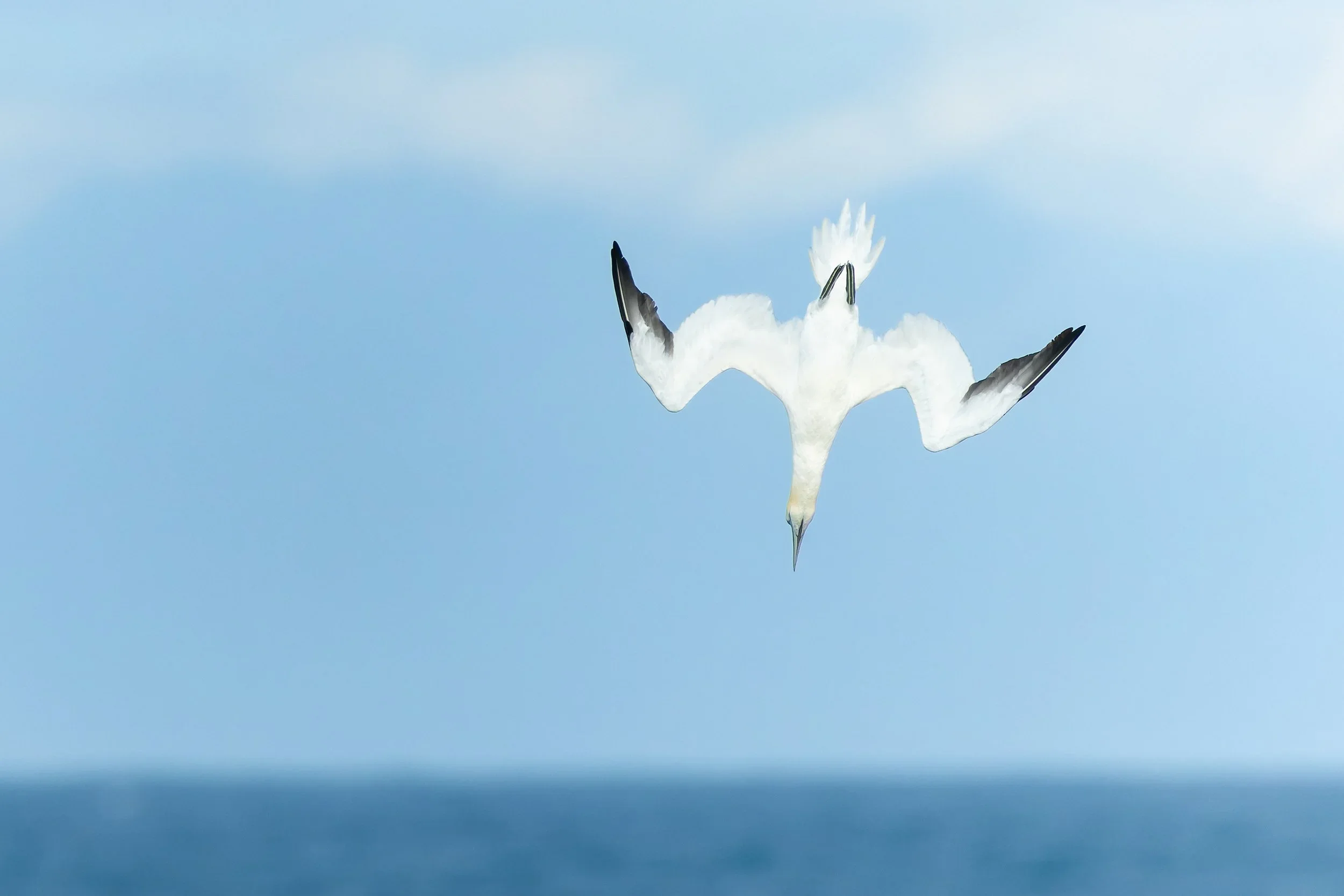
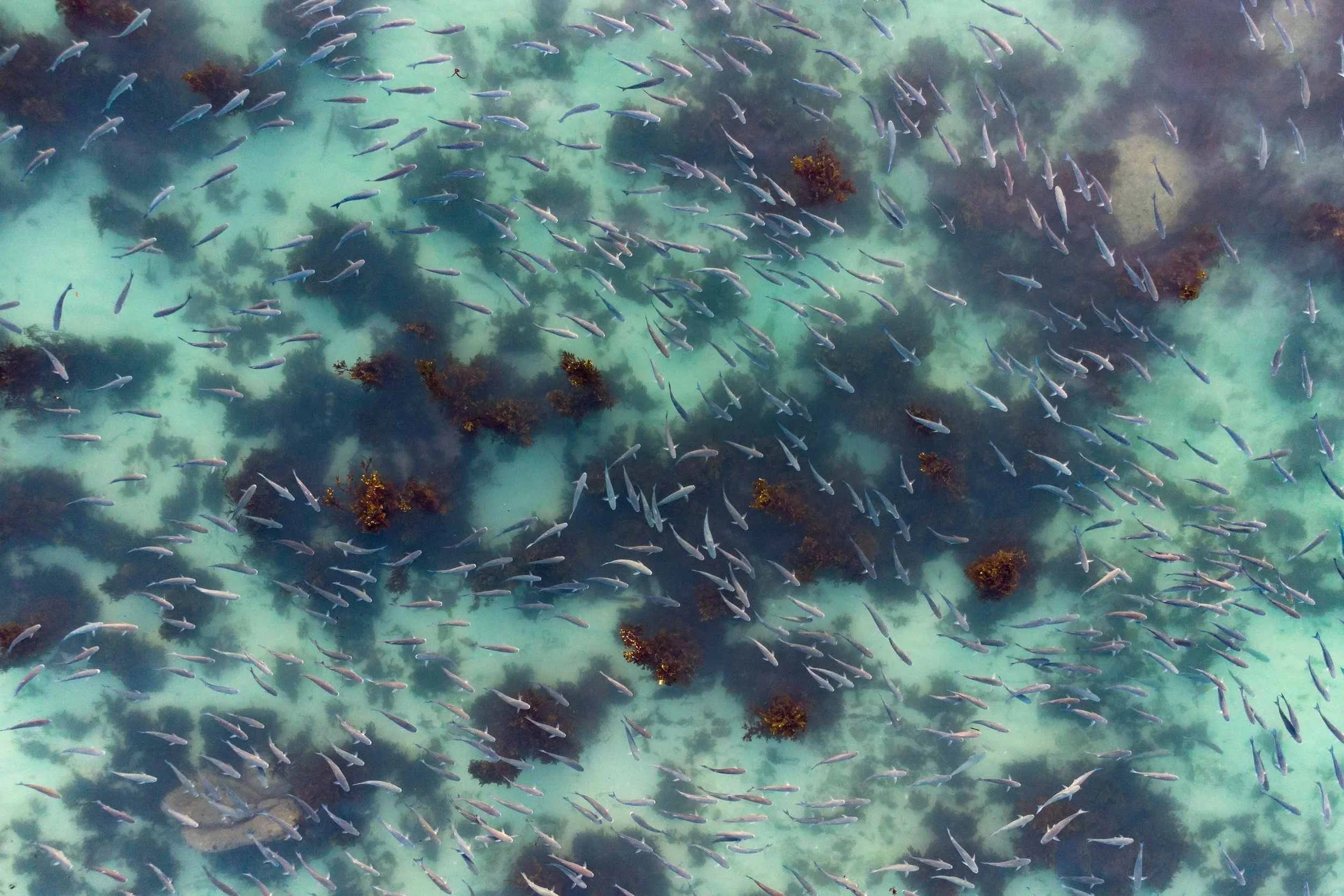
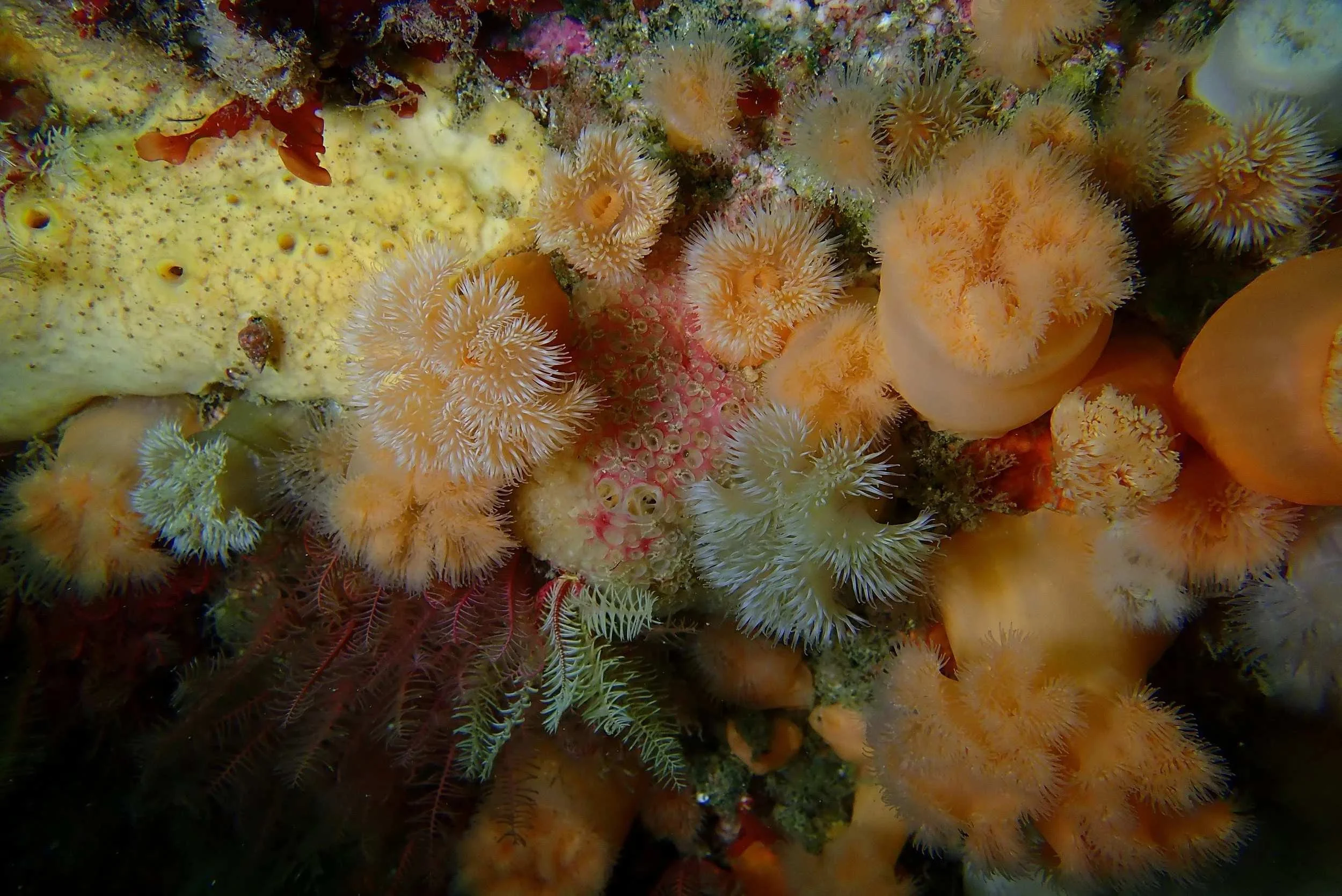
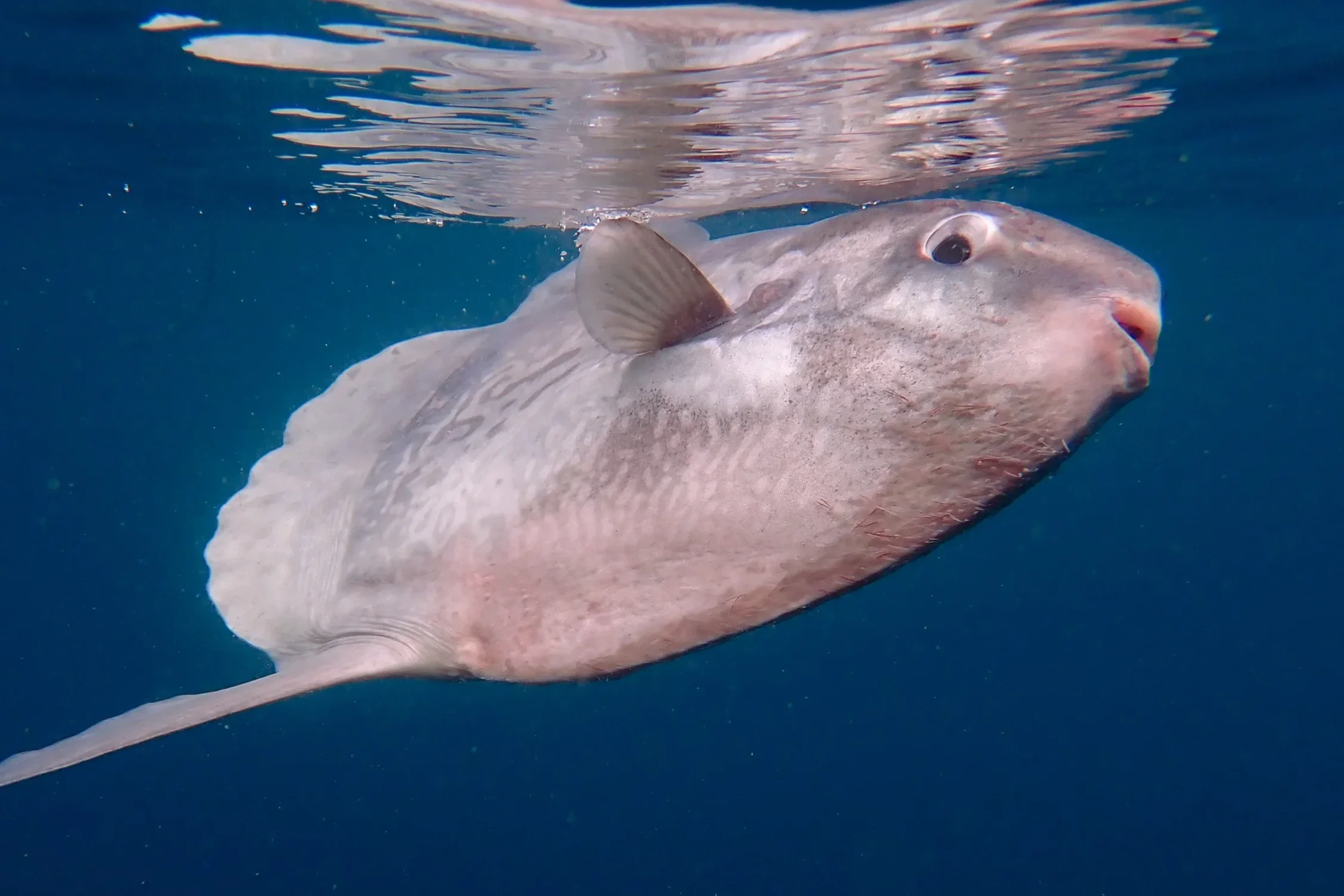
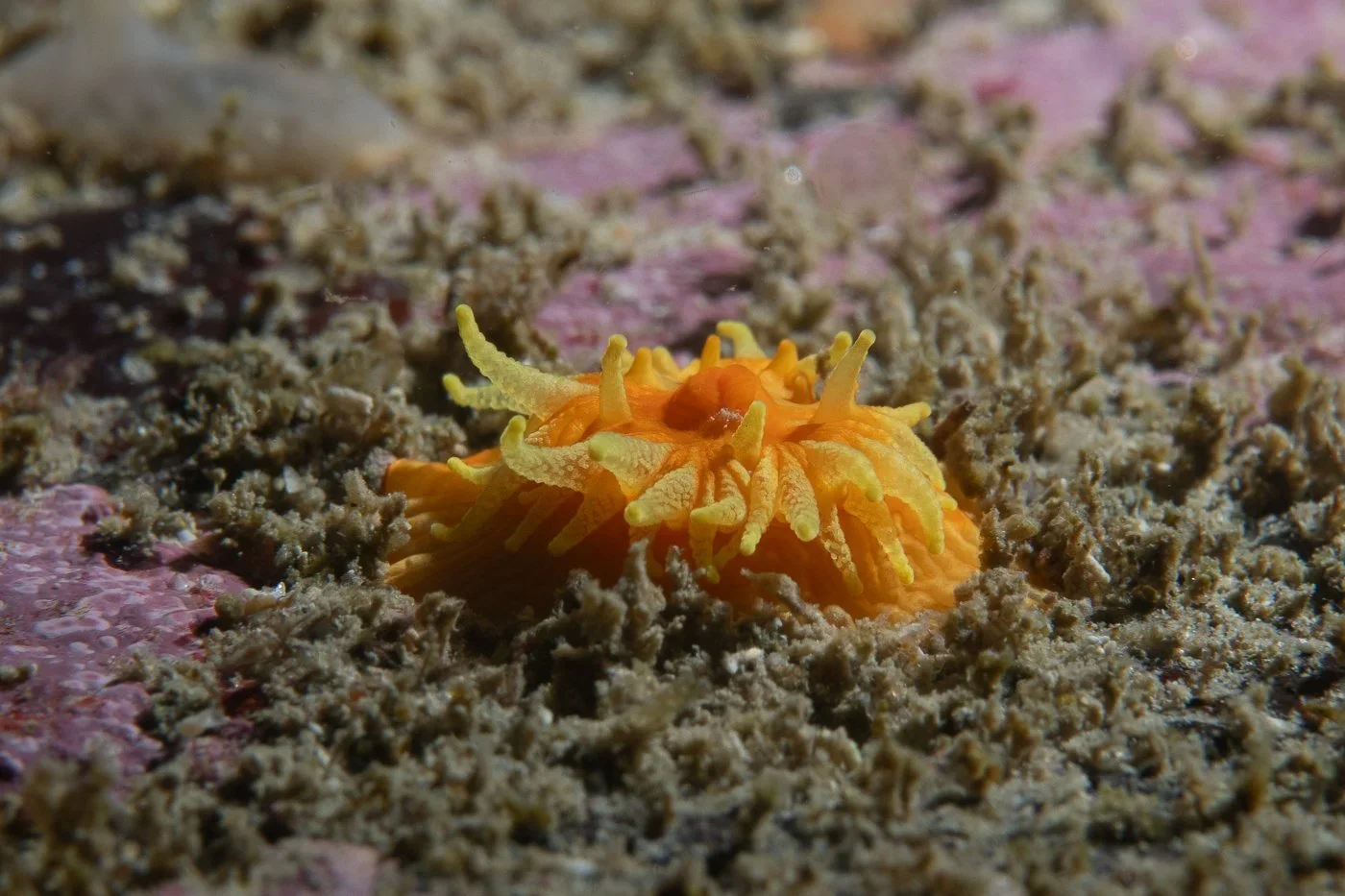
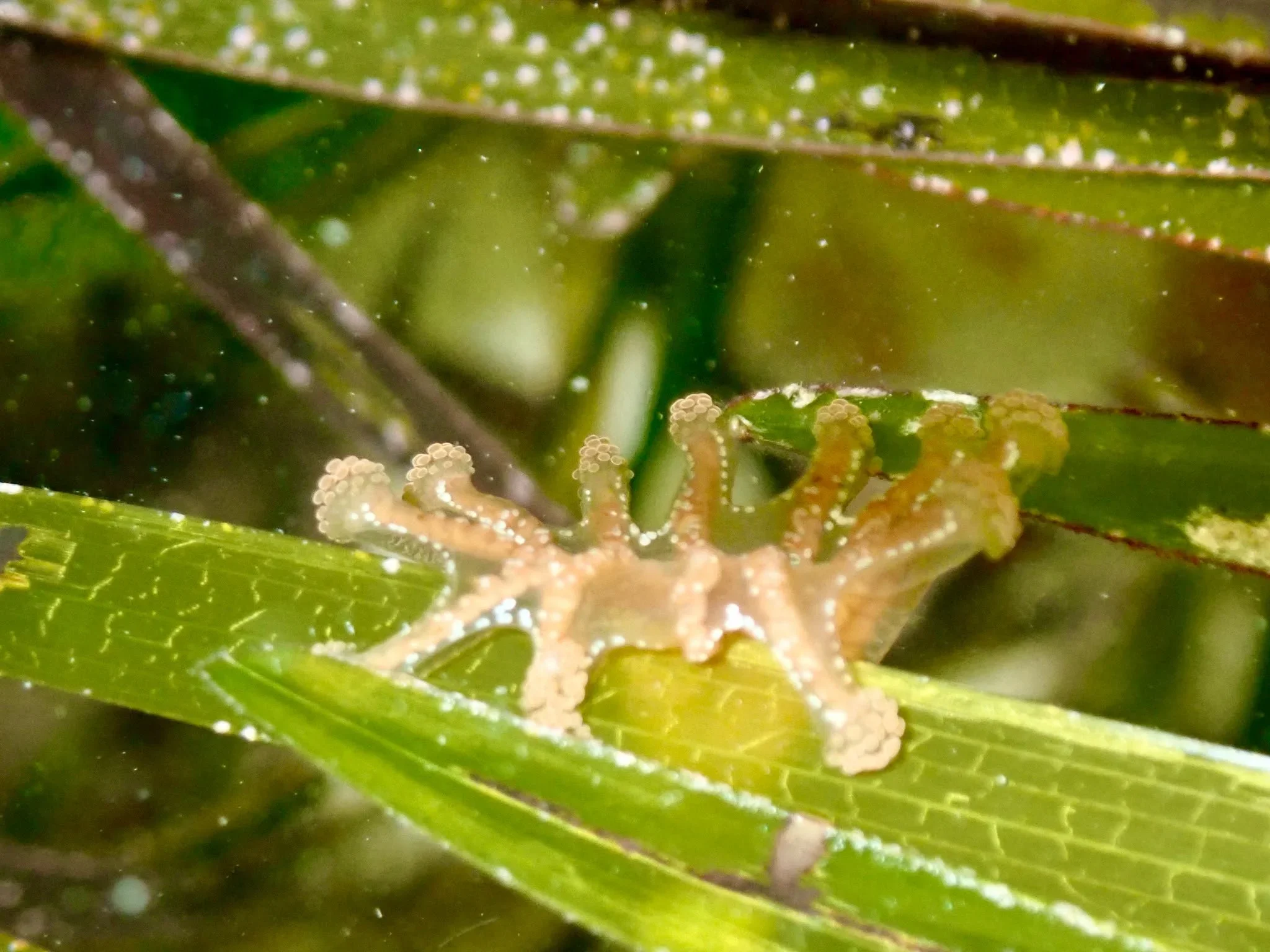
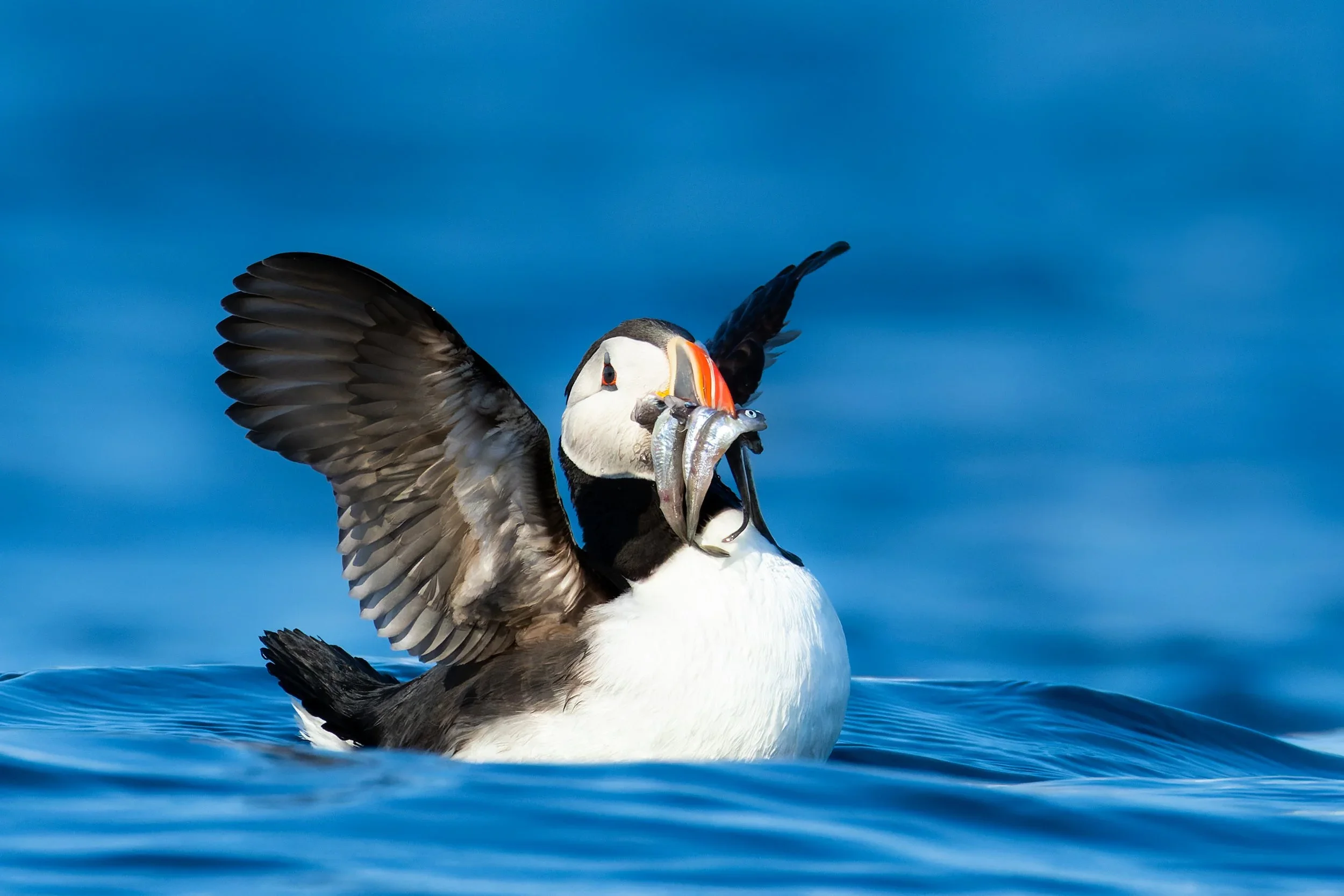
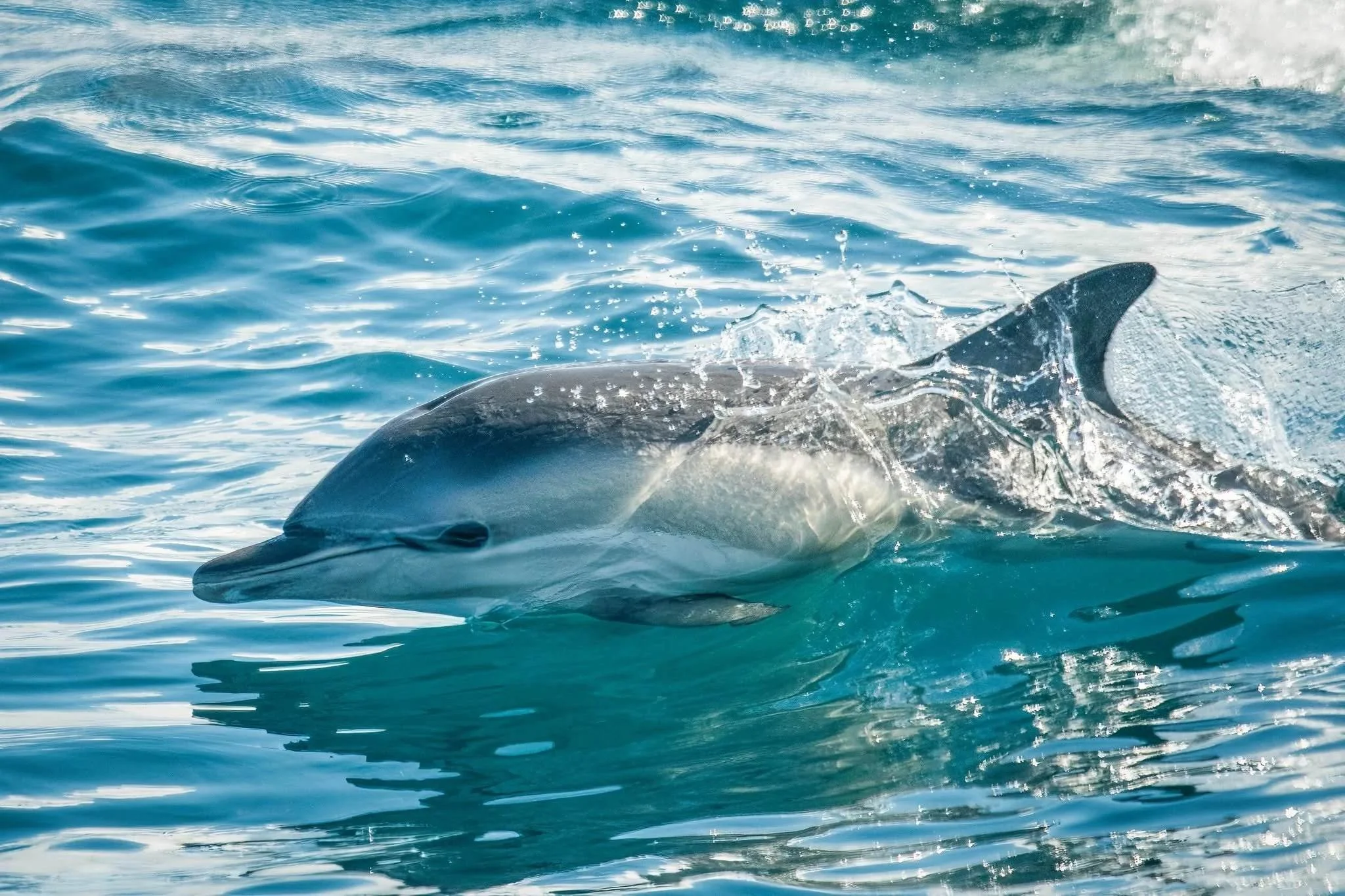
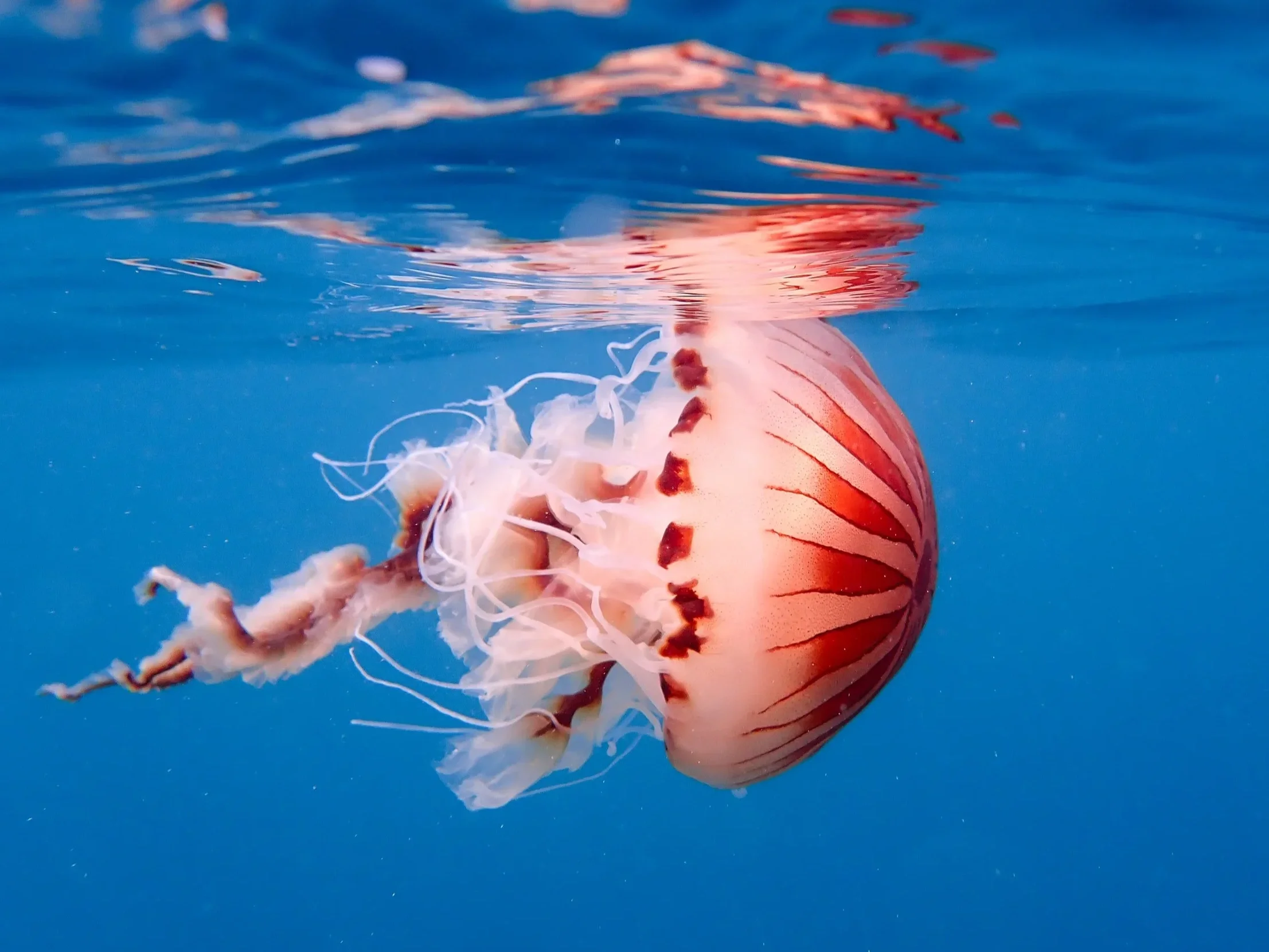
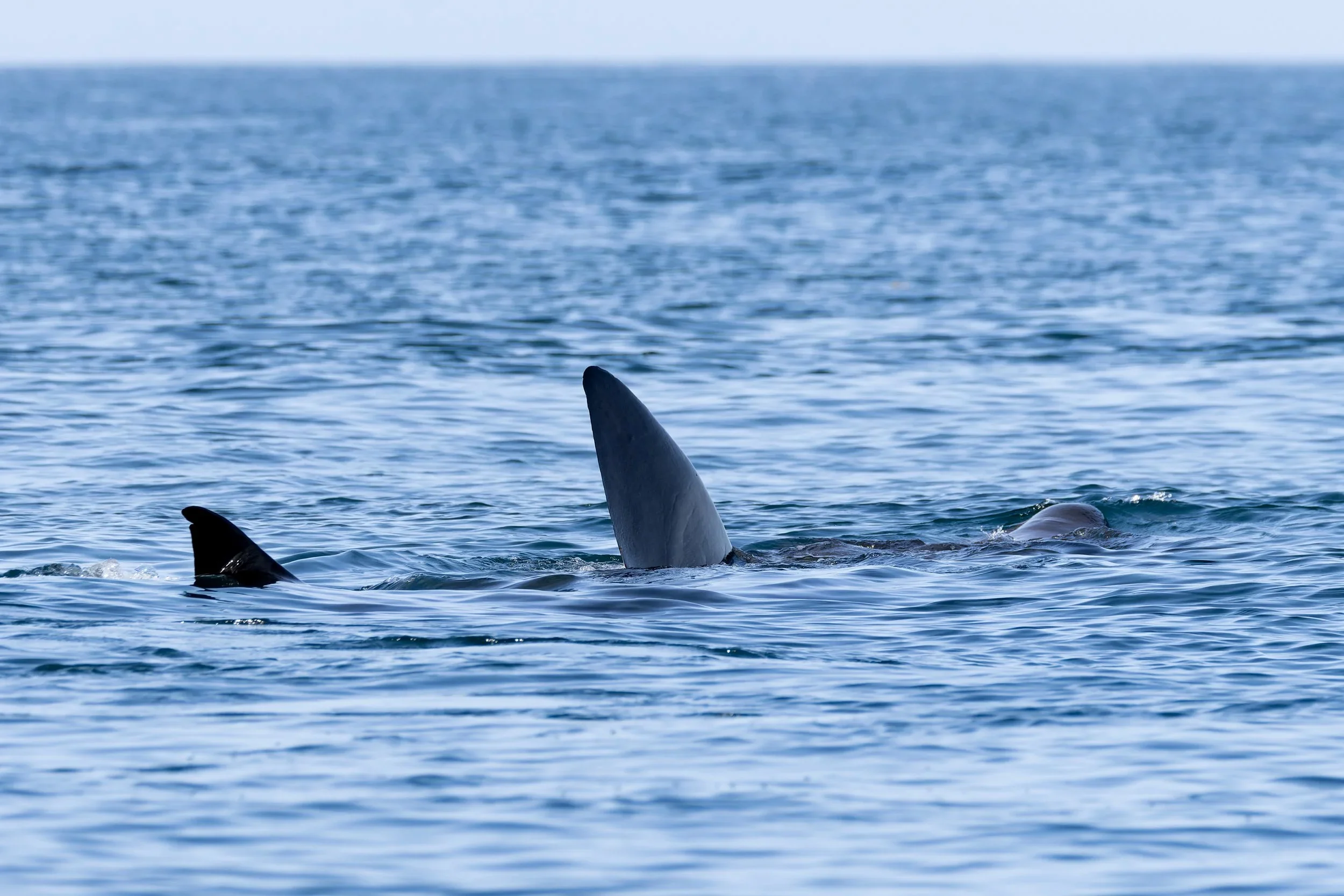
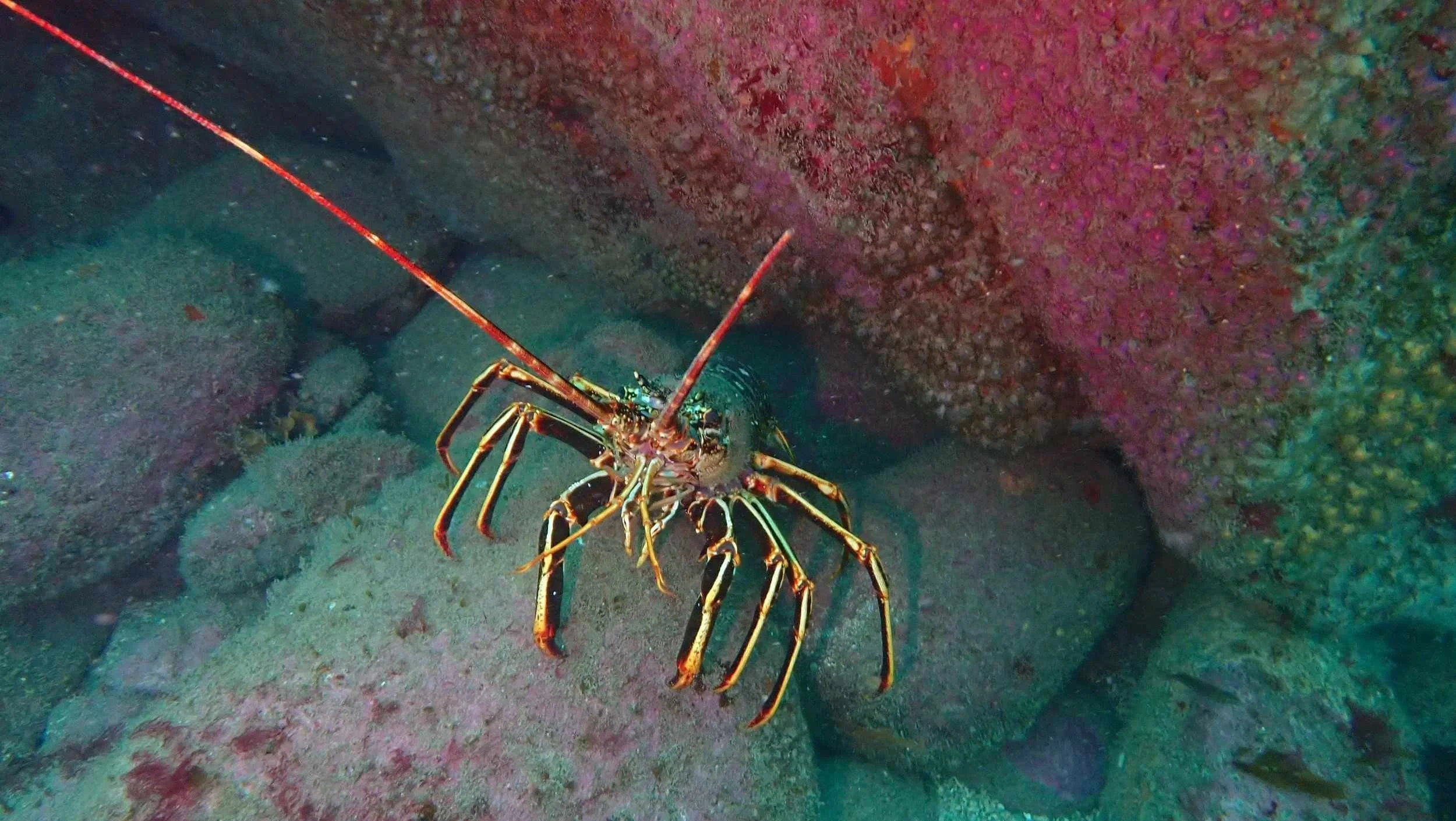
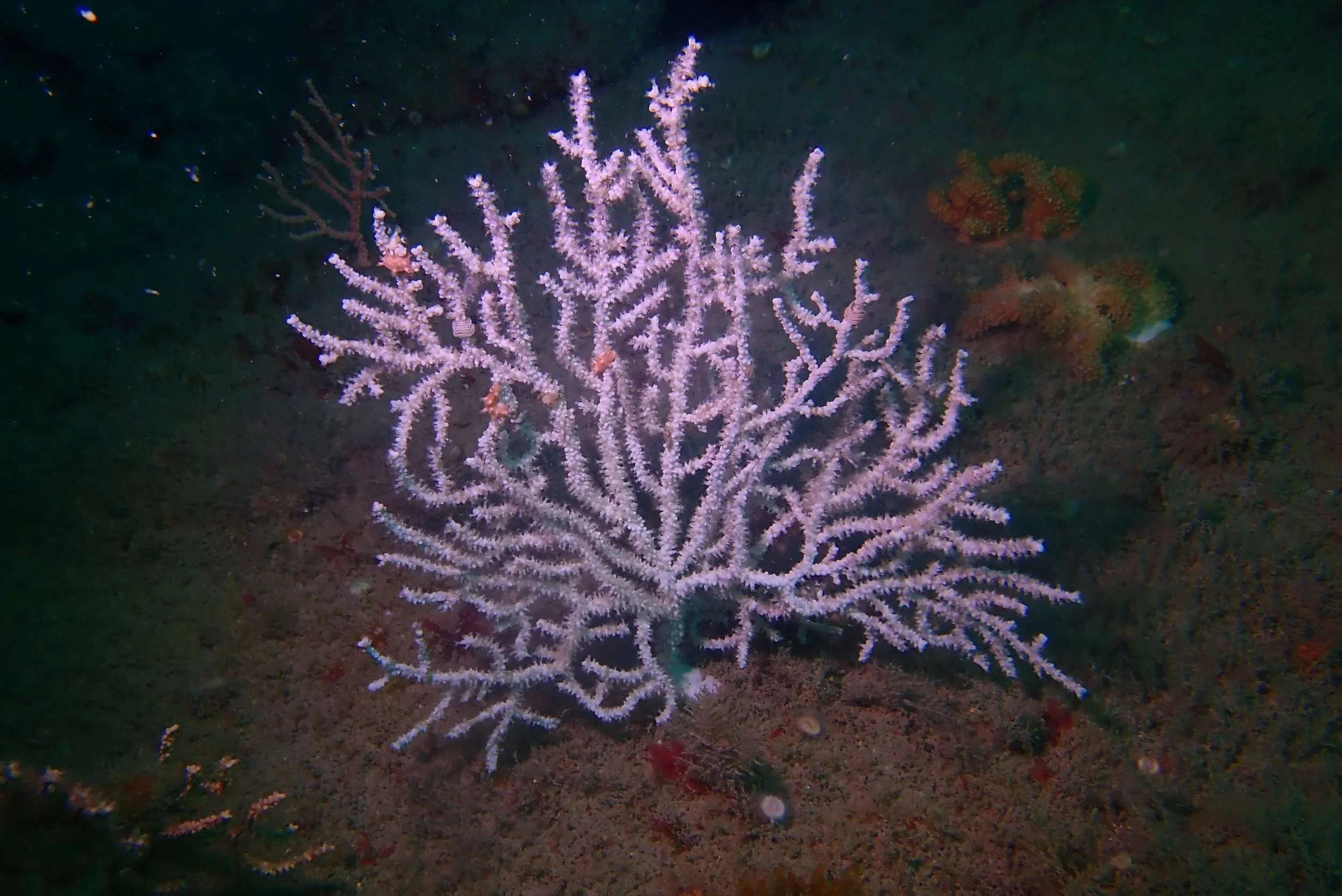
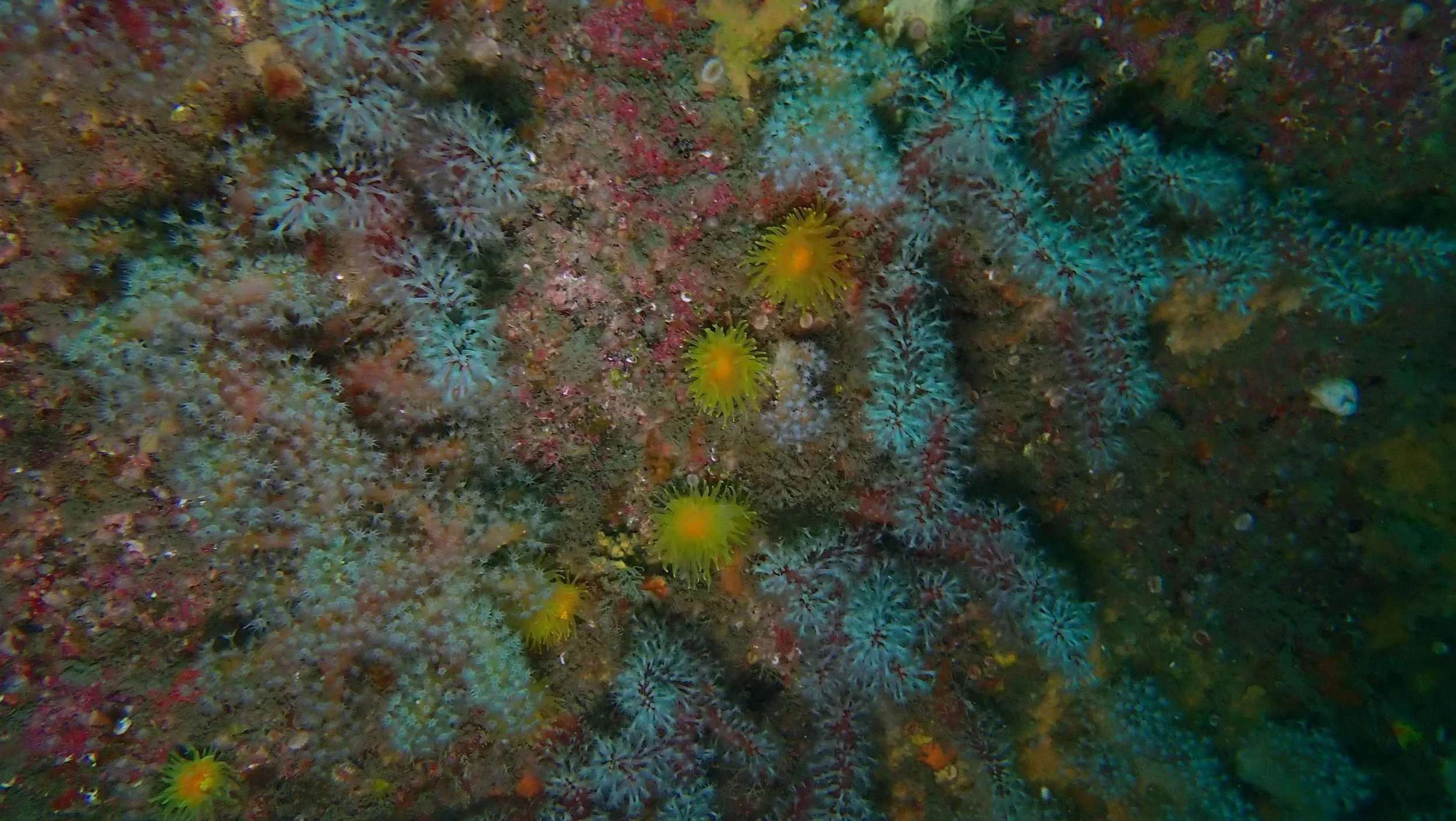
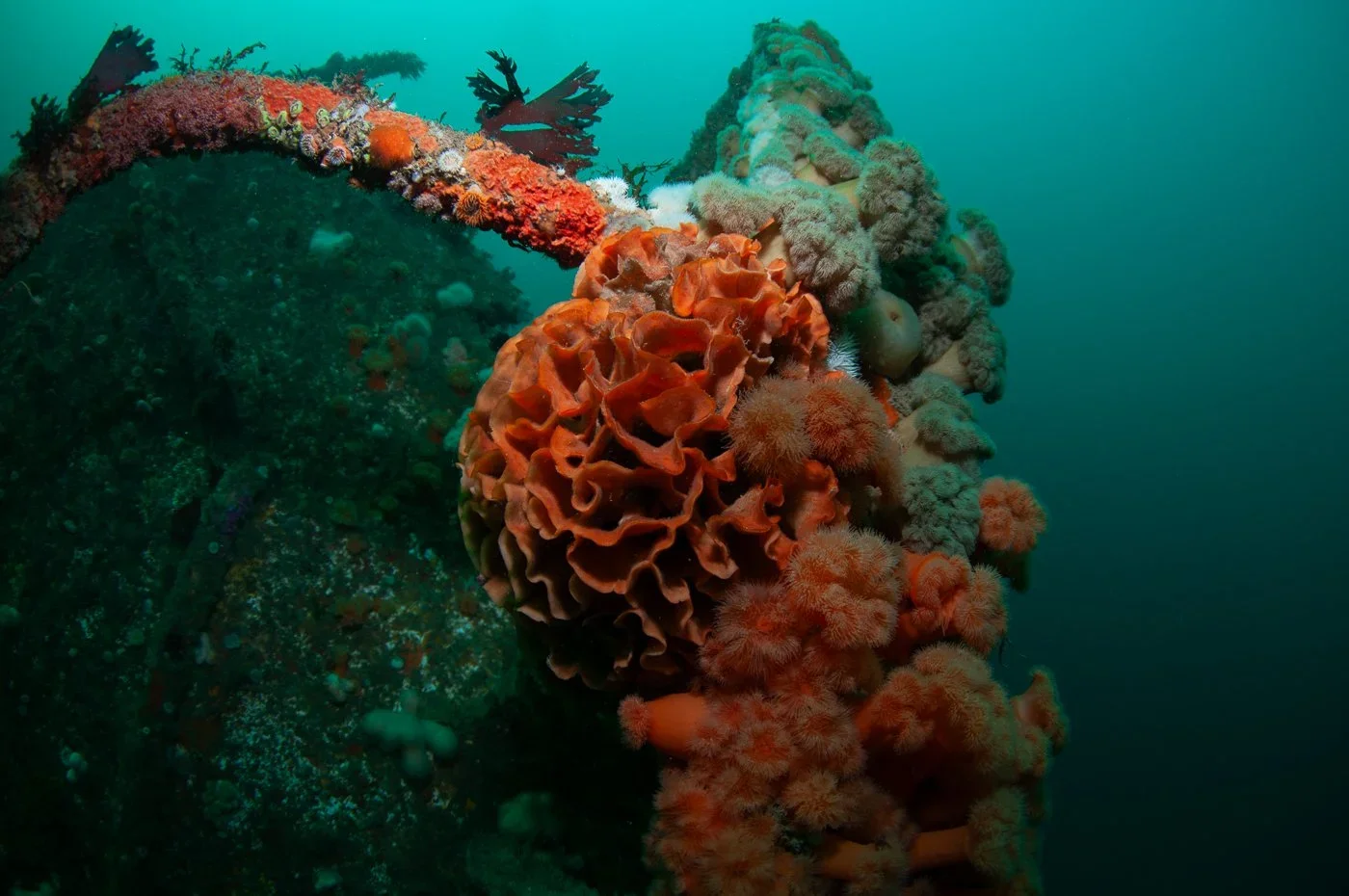
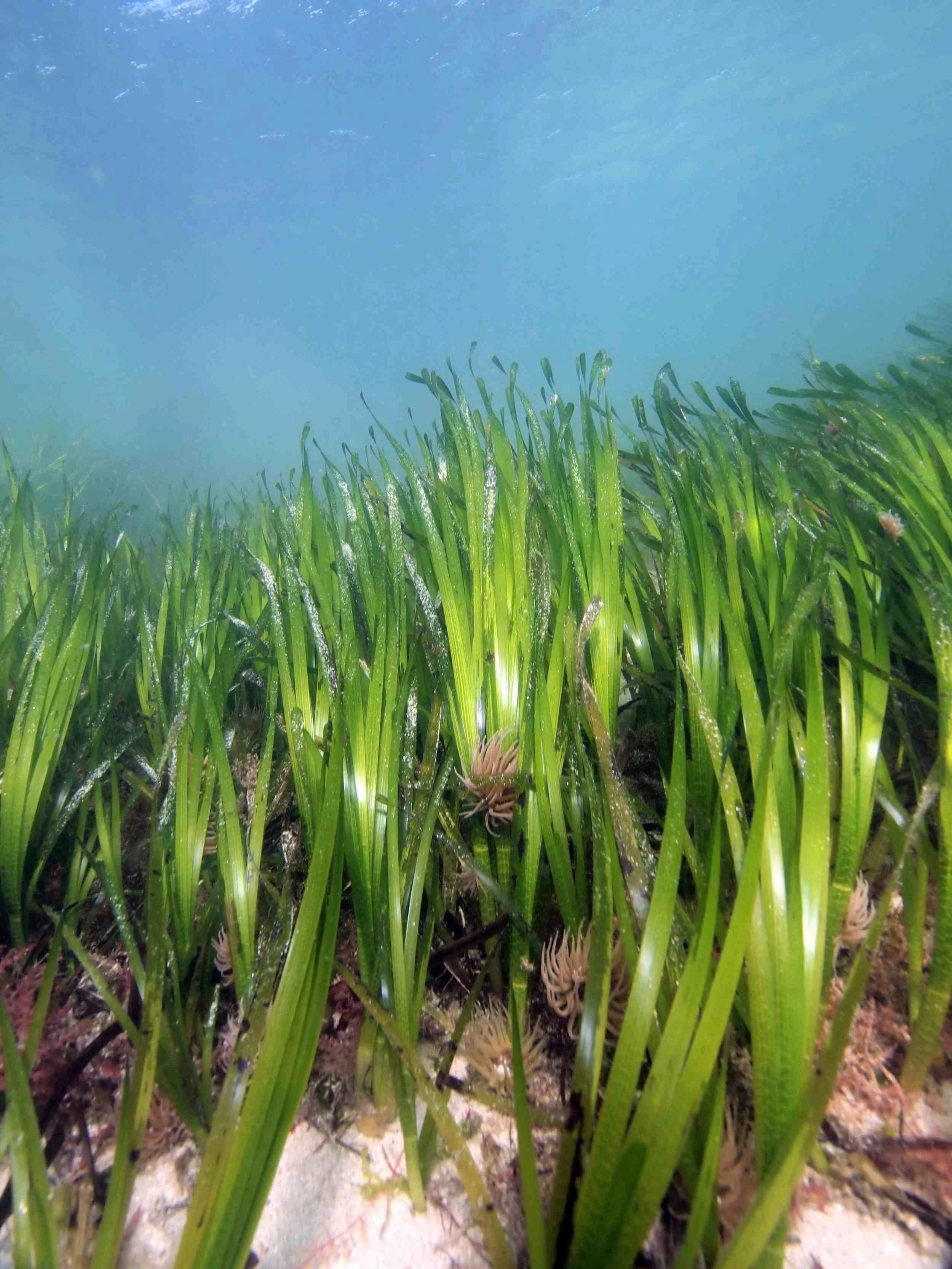
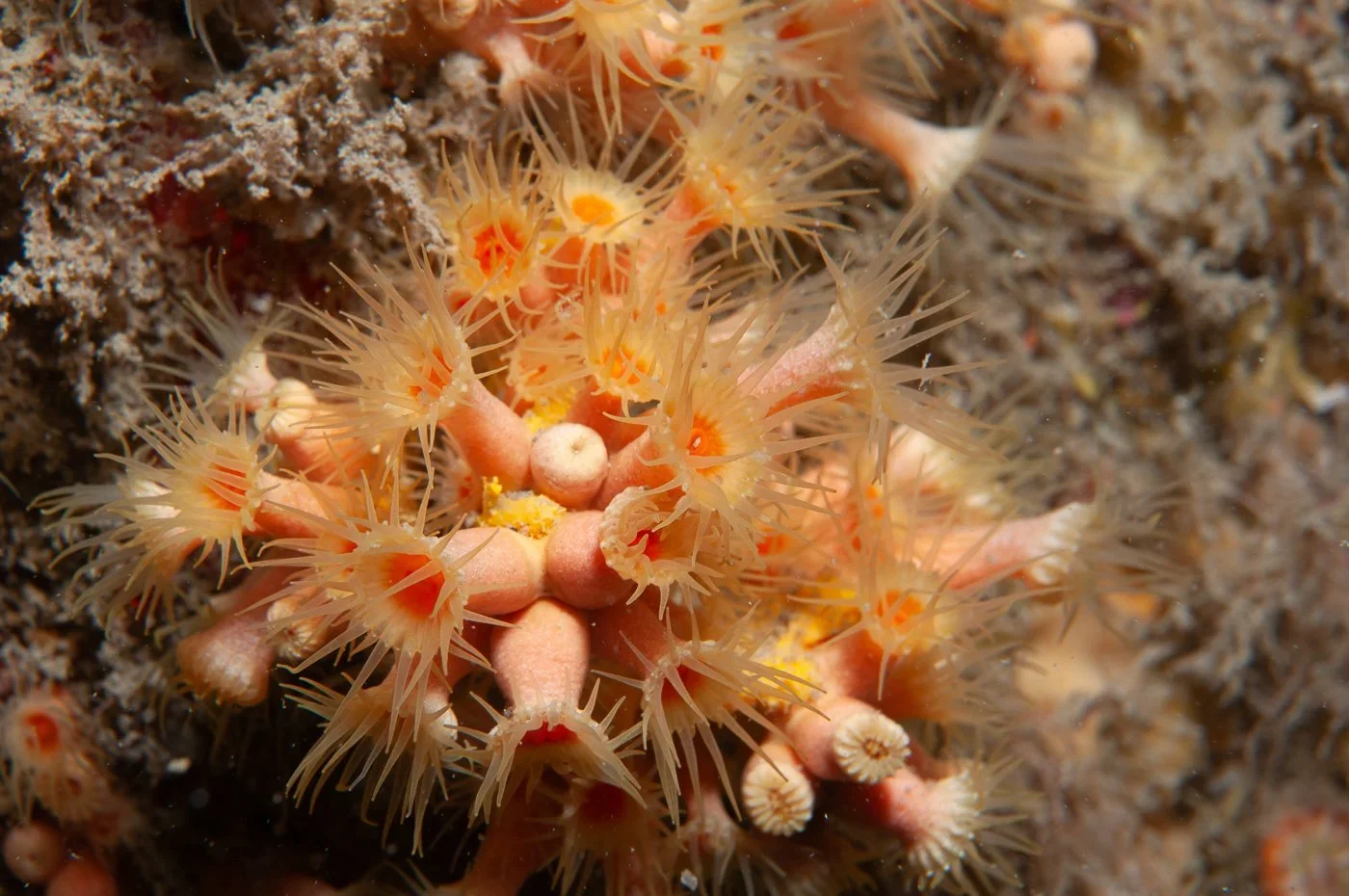
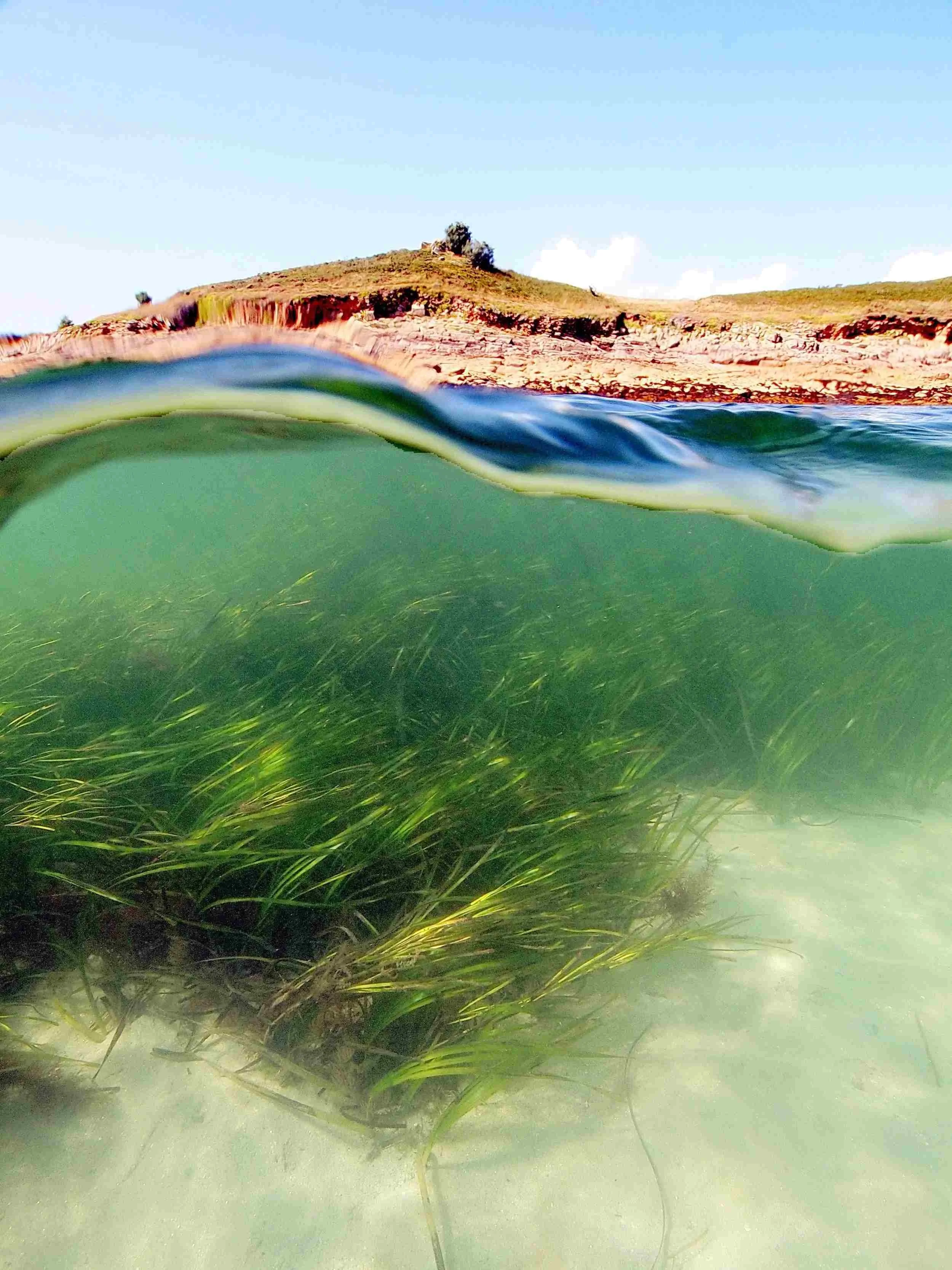
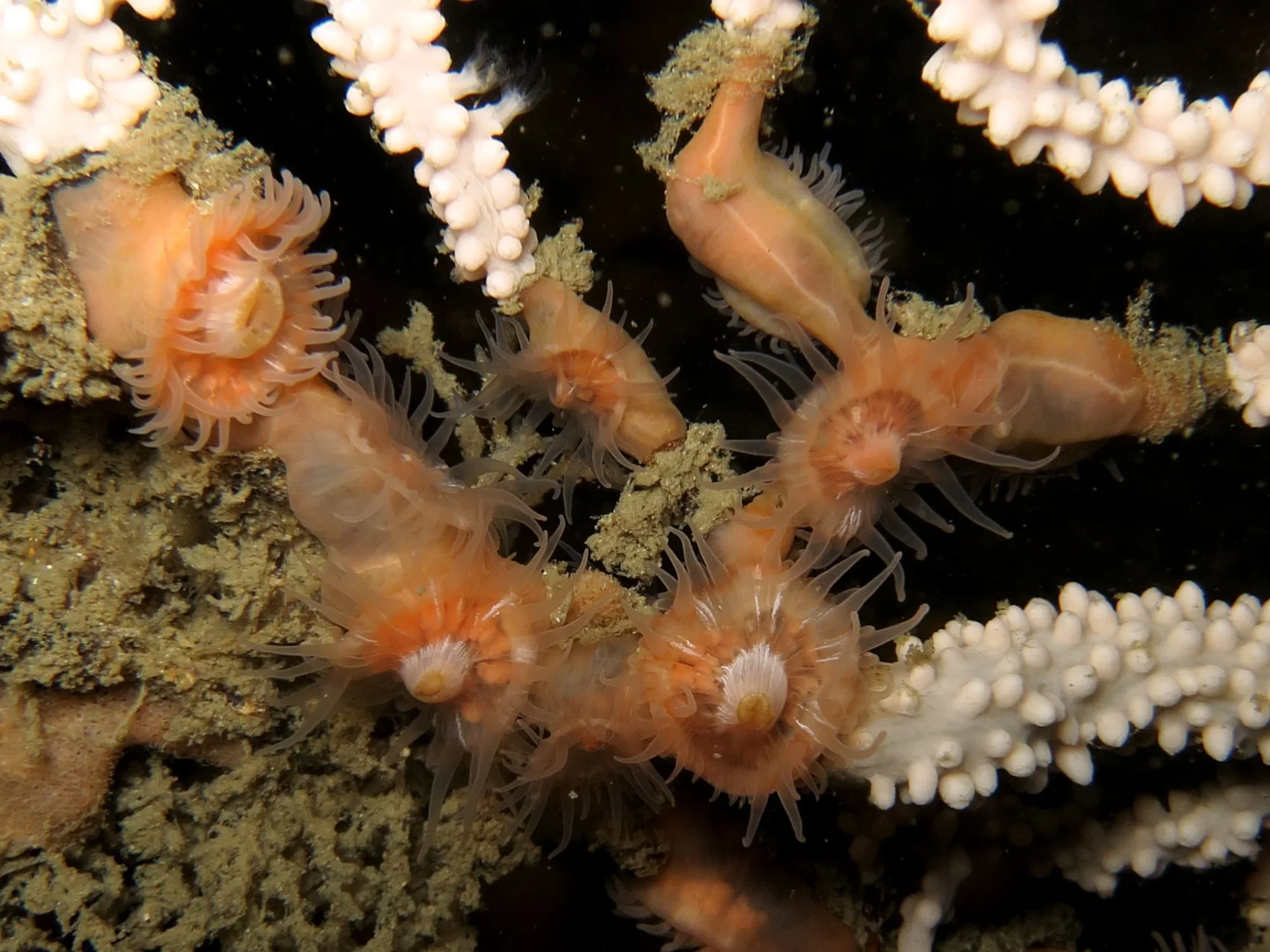
Some of our protected, priority, and otherwise spectacular species are pictured below. From left to right, and top to bottom they include: Crawfish or Spiny Lobster, Seagrass, Seafan Anemone, Seafan Coral, Sunset Cup Coral, Grey Seal, Ross Coral, Seagrass, Yellow Cluster Anemone, Gannet, Compass Jellyfish, Basking Shark, Mullet, mixed sponges, Ocean Sunfish, Humpback Whale (Pi), Scarlett and Gold Star Coral, Puffin, Stalked Jelly, Orca (Freya), and Common Dolphin.
Other ‘priority species’ (or VIPS) that frequently or rarely grace our shores, much to the delight of residents and visitors, are the:
Porbeagle Shark
Blue Shark
Basking Shark
Fin Whale
Minke Whale
Cuvier’s Beaked Whale
Risso’s Dolphin
Bottlenose Dolphin
Harbour Porpoise
…And that’s not even everyone, but we’re sure you get the picture.