
On 14th July 2026 the Environment Agency told residents of the Isles of Scilly that secondary sewage treatment was the appropriate requirement for St Mary’s, as per Government guidelines… unless there was a robust case for less. The next day South West Water quietly updated their wastewater proposal for St Mary’s. They added that they’d listened to the community and as a result had revised their proposals to include secondary treatment. Is this the good news that it seems, or is there more at play?
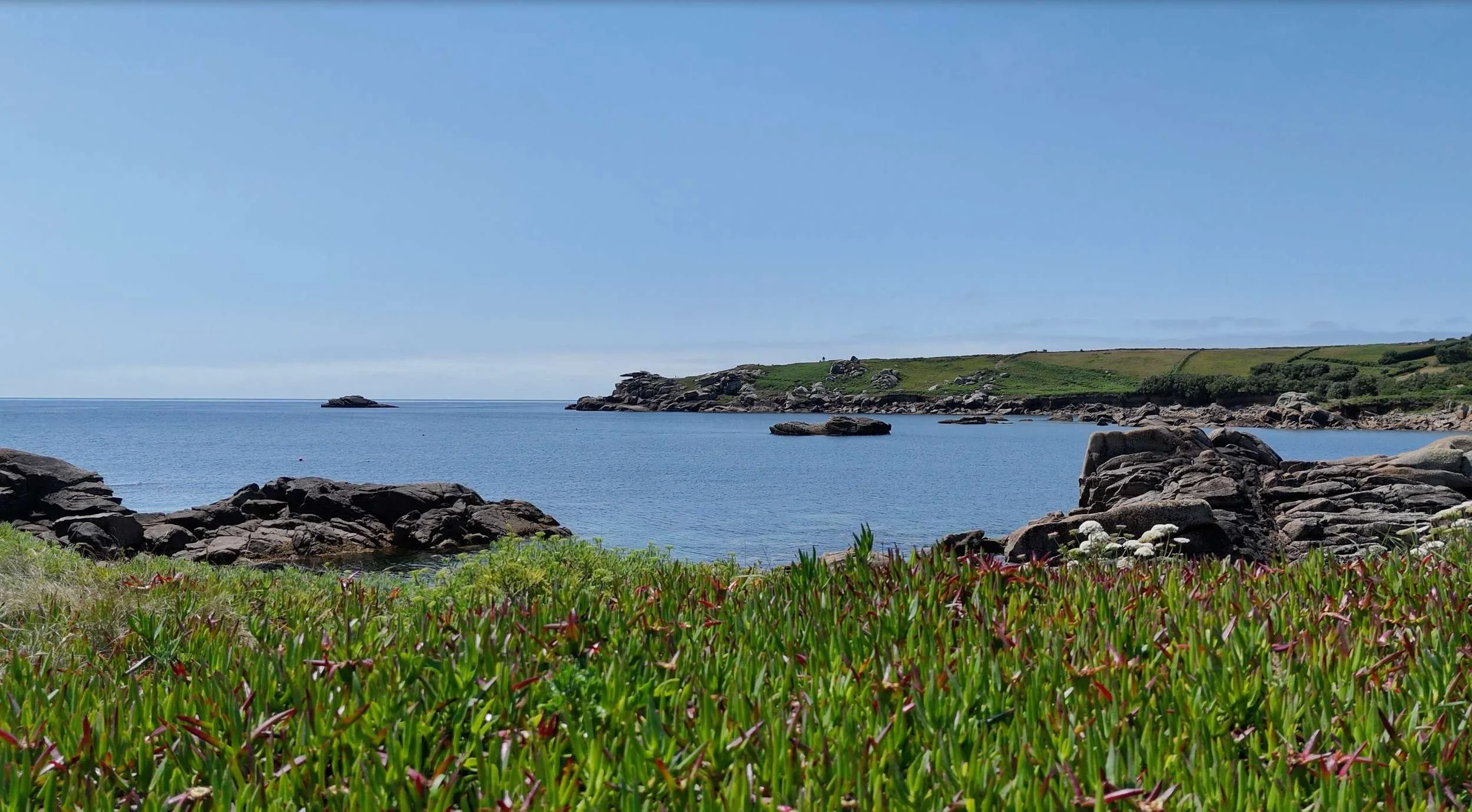
A view across Old Town Bay
As pressure mounts, South West Water (SWW) have quietly re-committed to delivering secondary sewage treatment on St Mary’s, but is this a success or a smokescreen? To explore this we need to understand why SWW ever proposed anything less, and then read between the lines of the Environment Agency’s (EA) press release.
Key points explored in this update include:
Regulator oversight and ‘Appropriate treatment’ vs ‘Secondary Treatment’
Misleading language in SWW and EA updates and publications
The introduction of a proposed 2km long sea outfall for St Mary’s instead of the 0.5km pipe, and proposed 0.3 to 0.4km long sea outfalls for Bryher, St Agnes and St Martin’s
The contradictory necessity for secondary treatment on off-islands only, to protect the same Special Area of Conservation that includes St Mary’s
Why SWW and the EA’s updates have not changed anything, and what the community can do about it
How do water companies and regulators operate?
As a well-established and experienced organisation, SWW are well versed in their legal obligation to treat sewage properly. They will have engaged with the Environment Agency and other regulatory bodies regularly: while bidding to become Scilly’s water and wastewater operator; through the process establishing the Local Enforcement Position; throughout the development of their business plans; and more recently during pre-application advice communications regarding environmental permits. It would be extremely costly for SWW not to do this, as these regulatory bodies can indicate and advise on what SWW need to do to secure permits, licences, and to ensure they will meet regulatory standards. Business plans are also submitted to OFWAT for price reviews to protect customers. This suggests it would be very difficult for South West Water to research, evidence and progress any plans without other organisations knowing their intentions well in advance.
Along with OFWAT and the EA, DEFRA and Natural England make up The Water Industry National Environment Programme (WINEP), an England-wide regulatory framework outlining the environmental obligations for water companies. In their 7th Asset Management Plan (AMP7) WINEP gave South West Water two deliverables for St Mary’s: by 31st March 2022 they had to investigate the impact of sewage discharge on the Special Area of Conservation, and by 31st March 2025 they needed to deliver ‘appropriate treatment’ to St Mary’s sewage waste before discharge. To show how they would meet these deliverables, SWW had to evidence how they would achieve and cost them in their business plan. SWW developed and submitted their business plan and WINEP provided feedback on this under the WINEP IDs ‘DCS00611’ and ‘DCS00613’.
What is ‘appropriate treatment’?
In the Urban Waste Water Treatment Directive, ‘appropriate treatment’ could be as basic as preliminary screening, providing that certain contaminant levels are not exceeded, as determined in any associated permits for the discharge. Traditionally this could and did mean that long sea outfalls were used to diffuse and disperse the sewage pollution. Or in other words, the sea did the work that water companies are supposed to do. The UK got rid of sites designated as ‘less sensitive areas’, or areas with high dispersion - often those where untreated long sea outfall discharges were permitted - because they recognised that untreated sewage does great harm to our waterways, oceans and wildlife. This is why the UK has higher treatment expectations for lower population sizes than the UWWTD initially required.
Either through error or improper application of the law, WINEP instructed SWW to propose how to deliver ‘appropriate treatment’, not secondary treatment as is legally required for population equivalents over 2,000 p.e. Despite this, SWW submitted their Isles of Scilly Business plan 2020-2025 to WINEP, and proposed secondary sewage treatment for St Mary’s’ wastewater. This formed the basis of the past promises and proposals shared with the IoS Community, despite WINEP listing ‘appropriate treatment’.
Where are we now?
How recent updates reframe the history…
As part of OFWAT’s 2024 price review and WINEP AMP8, SWW Submitted their 2025-2030 business plan. In their supporting document called Enhancement Case Isles of Scilly FRS they refer back to the AMP7 deliverable for St Mary’s of ‘appropriate treatment’ on page nine. However, on page ten, regarding the proposed development of Waste Water Treatment Works on Bryher, St Agnes and St Martin’s, they state that “Due to the environmental sensitivity, the minimum standard of treatment required is full secondary treatment." This is as a result of these islands being part of the very same Special Area of Conservation and Special Protection Area’s as St Mary’s. This contradiction is puzzling enough in the absence of the ‘robust case’ evidence that will be submitted, but a new, much more concerning anomaly arises in the same document. The 470 metre long sea outfall proposed for St Mary’s has grown to 2 kilometres, and there is mention of 0.3 to 0.4 metre outfalls for other islands (Pg.9-10). Is the new plan to send untreated sewage 2km offshore instead of 0.5km? If the EA permit this, then they may not hold SWW to account for providing secondary treatment on Bryher, St Agnes and St Martin’s either.
These details raise significant questions about South West Water’s adjusted proposal. It also highlights the misleading nature of Environment Agency announcements. The EA included the Isles of Scilly proposals on their DCIS Regulated Sites page, which highlights proposals they receive the most questions or complaints about. As this page changes over time, a static PDF of the page for the Isles of Scilly project can be accessed. In addition, the EA published a press release with similar content. The wording included in these updates is both concerning and misleading. Both indicate that SWW must provide ‘appropriate treatment’ by September 2027, and go on to say this ‘usually’ involves secondary treatment. The former document gives increased detail, stating that SWW could submit robust evidence for lesser treatment. However, they go on to say ‘Until that assessment is complete and a permit decision has been made, our position remains that secondary treatment is the applicable requirement.’
It is vital to understand the implications of the wording in these pages, is the EA saying:
That SWW only have to provide ‘appropriate treatment’ by September 2027?
That this is ‘usually’ secondary treatment for coastal agglomerations with 2000 population equivalent, and that this is government policy (ie. the law), but it might turn out that it won’t be?
That SWW can, and have been advised to, submit robust evidence to challenge this legislation to prevent the need to treat sewage before discharge?
That the EA position is that secondary treatment is applicable only without that robust, contradictory evidence submission?
And that, most importantly of all, their position will not change until after a permit decision has been made?
The last question is important as there is no right of appeal on an Environmental Permit decision from the EA. The only method of challenging this is through a costly judicial review. The community will need to fund and be ready for this process if SWW and the EA produce and accept a ‘robust case’ for screening only, whatever the length of the long sea outfall pipe.
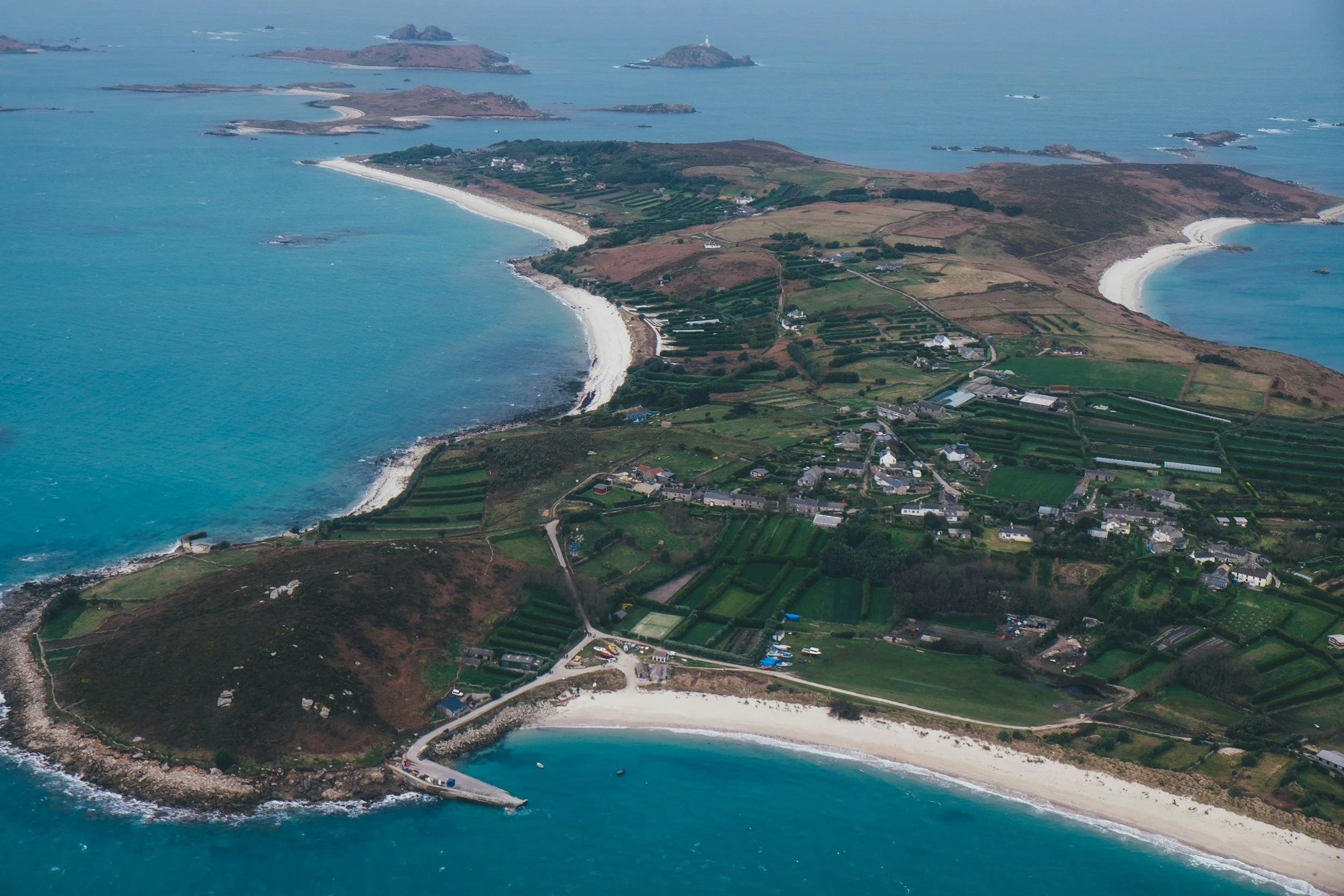
St Martin’s from above
Our stance
We welcome SWW’s re-commitment to secondary treatment for St Mary’s; we recognise the importance of making improvements to our sewage system that preserve and protect our marine environment. The statement was quietly added to their project page on 15th July and we’ve added this as a downloaded PDF due to the changing nature of SWW’s project pages.
When considering all of the above, and that over 50 south west councils have voted no confidence in the organisation, we cannot help but be suspicious of the authenticity. We are also deeply concerned by the misleading language used by the EA when seeking to reassure residents of their instructions to SWW. Closed door meetings with agencies continue, and no evidence of environmental impact or any change in proposal have been shared. Most concerning of all, the Isles of Scilly project email provided to the community to raise concerns and ask questions has started to reply to residents. The answers? We will not be answering your questions after all, because the proposal has changed. The proposals have changed repeatedly for six years and the community deserve answers.
None of the above suggests that there is a genuine commitment to provide secondary sewage treatment for St Mary’s as is legally required, either by SWW or the Environment Agency. We will continue to raise our concerns publicly and our campaign aims remain the same. We are calling for:
secondary treatment and UV disinfection;
preservation of our marine protected areas;
well-maintained infrastructure and equipment;
effective regulation and long-term monitoring.
It seems likely that South West Water will instead aim to deliver a 2km long sea outfall, and at the last moment, pivot to discharge screened but untreated sewage into our waters, with the Environment Agency’s blessing. We must not become complacent, and we must be ready. The Environment Agency and the Marine Management Organisation must designate Scilly and this project as a ‘Site of High Public Interest’ and a ‘Highly Complex/Contentious Case’. It is the only way to ensure that there is extended and increased public scrutiny and ample time to respond.
